Discount Offers & PerksTransport & Mobility in

Browse exclusive transport & mobility discount offers and hidden perks in Xiva, Uzbekistan — save up to 60% with the free digital Tourist Card. Real deals from local businesses, applied directly with no booking fee.

27 offers found

Transport & Mobility in Xiva, Uzbekistan — discount offers

-5%

Ayaz kala trip

golden ring travel · Samarkand

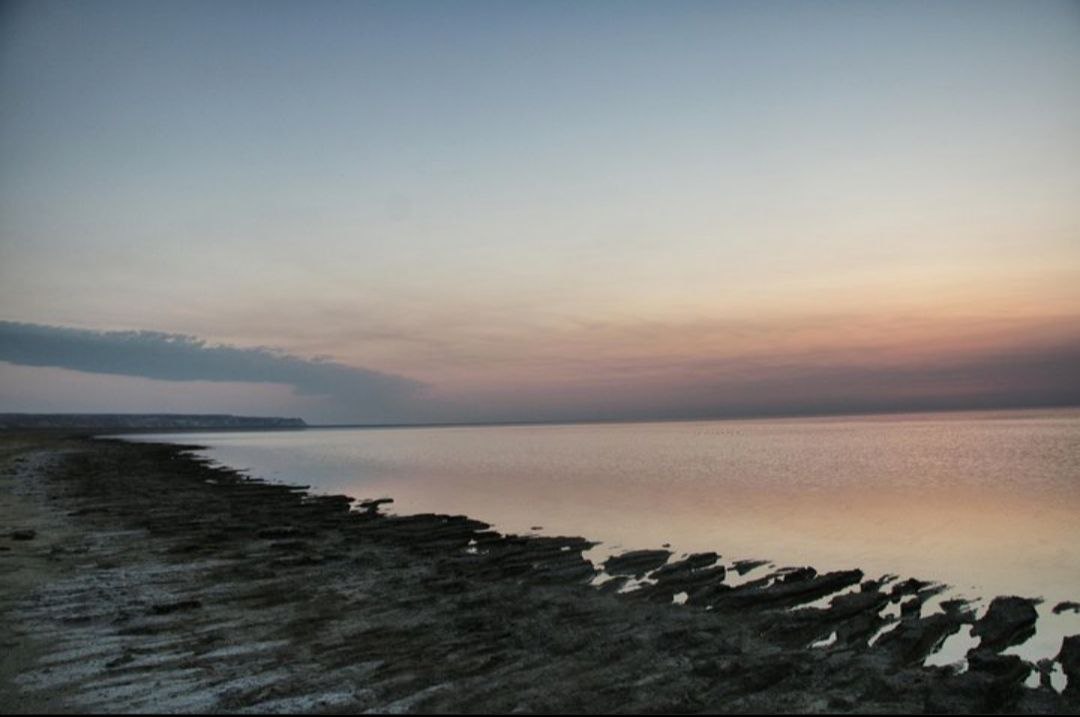
Daytrip details: We can pick you up from Urgench airport, Urgench/Khiva train station or your hotel either from Khiva or Urgench to begin the daytrip. You can start the daytrip anytime during the day. It’s advisable to commence the tour in the mornings post breakfast or afternoons post lunch since it's a half-day excursion. Driving from Khiva to the initial fort - Kizil Kala takes approximately ninety minutes. Originally built in late antiquity between the 1st and 4th centuries AD, Kizil Kala was later deserted before being reconstructed again in the twelfth to thirteenth centuries just prior to the Mongolian invasion era. Scholars argue over its use back in those days; one theory suggests it functioned as troop quarters whereas another proposes it could be considered among the earliest examples of manorial fortifications common across Khwarezmian regions throughout earlier Middle Ages. From here we travel fifteen minutes by car until reaching the next fortification known as Toprak Kala. Dating back to the Kushan Empire circa the 2nd–3rd centuries AD, Toprak Kala once stood proudly as the regal abode where rulers of Khwarezm resided. Initially serving as a sacred site within royalty circles, it fell out of favor temporarily towards the beginning of fourth century onwards however underwent restoration works afterwards which led to its repurposing as an administration stronghold overseeing affairs related to local governance matters. Following visits to these two forts, our chauffeur makes a pitstop along the shores of lake Aqchaköl (Akchakul) providing ample opportunity for guests to enjoy their meal(s), visit nearby mini market stores if needed, utilize restroom facilities amongst other personal needs. A mere twenty minute ride separates us from leaving behind Toprak Kala till arriving lakeside destination point. Here there are...

-5%

Daytrip to Three Fortresses Explore Ancient Khorezm Fortresses dating back 2000 years with us! Khiva Kizil Kala Toprak Kala Akchakul Lake Ayaz Kala Khiva

Khiva Silk Road Travel · Xiva

Day trip duration: 6-7 hours Sightseeing time: 2-3 hours Driving time: 3-4 hours Driving distance: 225 km. Included: Hands-free brochures, skilled drivers with air-conditioned vehicles, pickup and drop-off at your location, and mineral water (0.5L per person). Not included: Entrance fees, meals, camel rides, yurt camp stays, and other additional activities. Itinerary Kyzyl-Kala, also known as Qyzyl Qala ("Red Fortress"), located in modern-day Karakalpakstan, Uzbekistan, was an ancient fortress in Chorasmia built between the 1st and 4th centuries AD. This smaller fortress lies near Toprak-Kala, approximately 1 km to the west, and was constructed during the same period, likely serving as defensive fortifications for Toprak-Kala. Kyzyl-Kala underwent restoration efforts in the 12th century. A modern renovation project aims to recreate its original appearance. As part of the "Fifty Fortresses Oasis" complex in present-day Uzbekistan, this site holds historical significance. Before falling under Mongol rule after their conquest of Khwarezm, it served as the residence of Muhammad II of Khwarezm (r. 1169, 1200–20), who ruled over the Khwarezmian Empire. Toprak-Kala, situated in modern-day Karakalpakstan, Uzbekistan, functioned as both an ancient royal city and the capital of Chorasmia during the 2nd or 3rd century CE. Archaeological discoveries here include murals, coins, and archival records. With a recorded history spanning from the 1st to the 5th century CE, Toprak-Kala forms another key component within the "Fifty Fortresses Oasis" region of contemporary Uzbekistan. This archaeological area comprises three interconnected fortresses that date back to the construction periods starting from the 4th century BCE through...

Page 1 of 2